The short version
- You rarely know your opponent in advance. Prepare around your own patterns.
- Review a recent filmed match about a week out and write down three facts about your game.
- Choose a serve plan from the targets you actually hit, not the ones you wish you hit.
- Rehearse under pressure two or three days before, then stop changing things.
- On the day, keep the plan to three short lines you can remember at 4-5.
Most advice on how to prepare for a tennis match assumes you know who you are playing. In a local league or the first round of a tournament, you often do not. You have a name, a time and a court. Worrying about a stranger’s forehand the night before achieves nothing.
What you can prepare is your own side of the net. You know more about your game than you will ever know about theirs, and yet most players walk on court with a plan no more detailed than “play well”.
Why match preparation built on feel goes wrong
Players plan around the game they believe they have. Someone sure of their big first serve builds a plan on it, without knowing that fewer than half went in last time out. Someone who thinks their backhand is a weakness runs round it all match and leaves the court open, when the numbers say the backhand lands in more often than the forehand.
Recent memory is unreliable as well. One good practice session two days before a match can convince you that a shot is fixed. It may be. A recording will tell you.
What to film in the week before a match
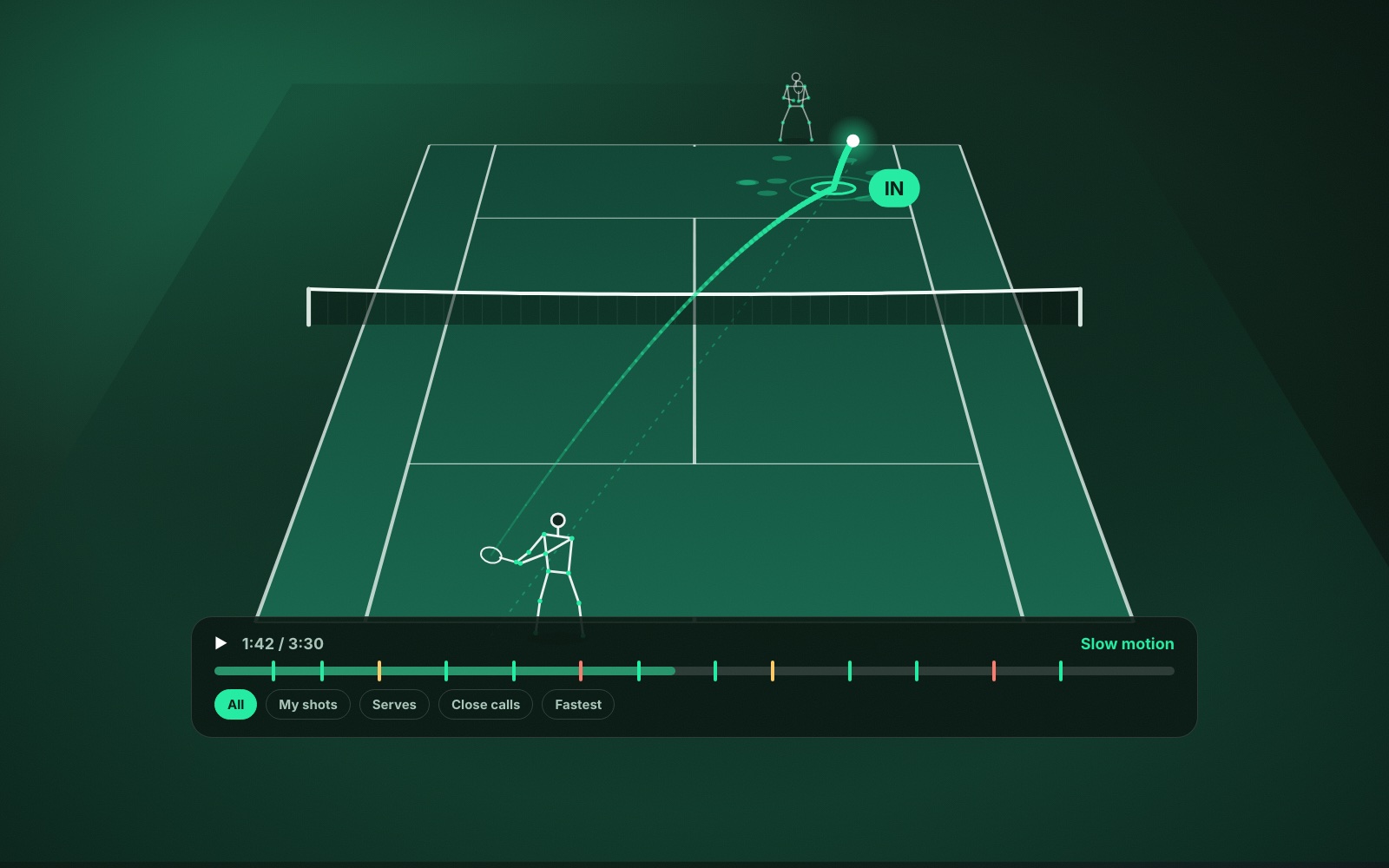
You need one recent match on video, ideally from the last few weeks. If you do not have one, play a practice set about a week before and film that. Put the phone on a tripod two to three metres behind the baseline, in landscape, at net height or higher, with the full court in view. Do not move it, and keep it out of the sun. Start a Match session in ContactFrame and line up the four corners of the court.
Play it properly, with a score. Afterwards, check the draft match score and correct anything that is off.
The patterns to review before a tennis match
Give this twenty minutes with a notebook. You are looking for facts, not faults.
- First and second serves in. How many of each landed. This sets how much risk your first serve can carry.
- Where your serves landed. Wide, body or T, on the deuce and ad sides. Find the target on each side that you hit most reliably.
- Shot type breakdown. Which of forehand, backhand and slice landed in most often. That is your rally shot for the day.
- Unforced errors. Which shot they came from. Watch a few in playback to see what you were attempting.
- Winners and forced errors. How you actually won points. It may not be how you imagine.
- Movement. How well you recovered to the middle and how often you were ready when your opponent hit. Both tend to slip when you are nervous.
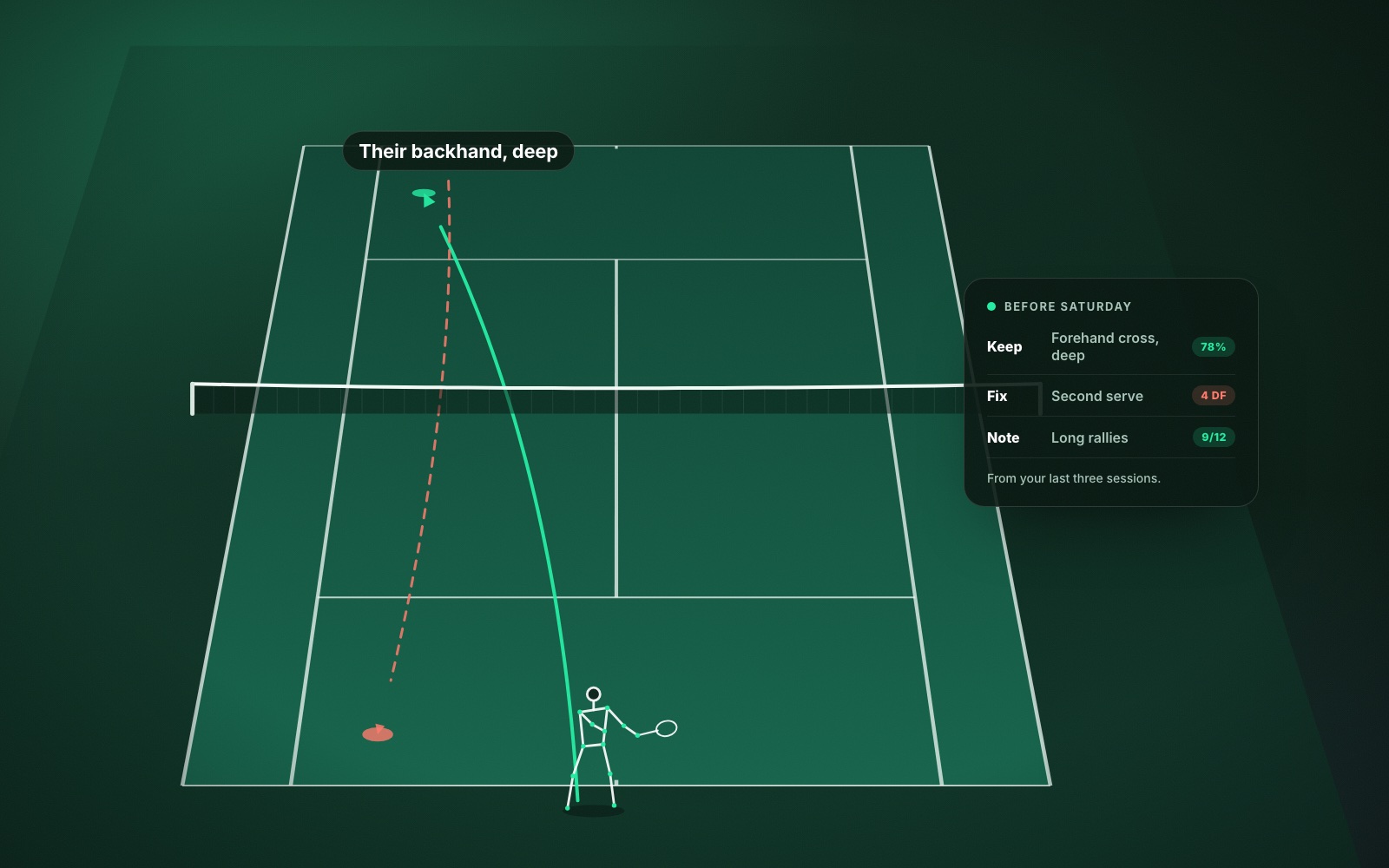
Then write three sentences: what you do well, what breaks down, and how you win points. How to analyse your own match video gives a fuller routine.
A four-step plan to prepare for a league or tournament match
1. Five to seven days out: settle the serve plan
Choose one first-serve target for each side, taken from the places your serves really landed. Choose a second serve you would trust at break point. Then practise only those: twenty first serves to each chosen target, and thirty second serves.
The number to watch: serves in, and where they landed. You want your chosen targets to hold up when you hit them on purpose. If one does not, pick another now and not on match day. This serve guide covers the practice.
2. Four to five days out: fix the rally default
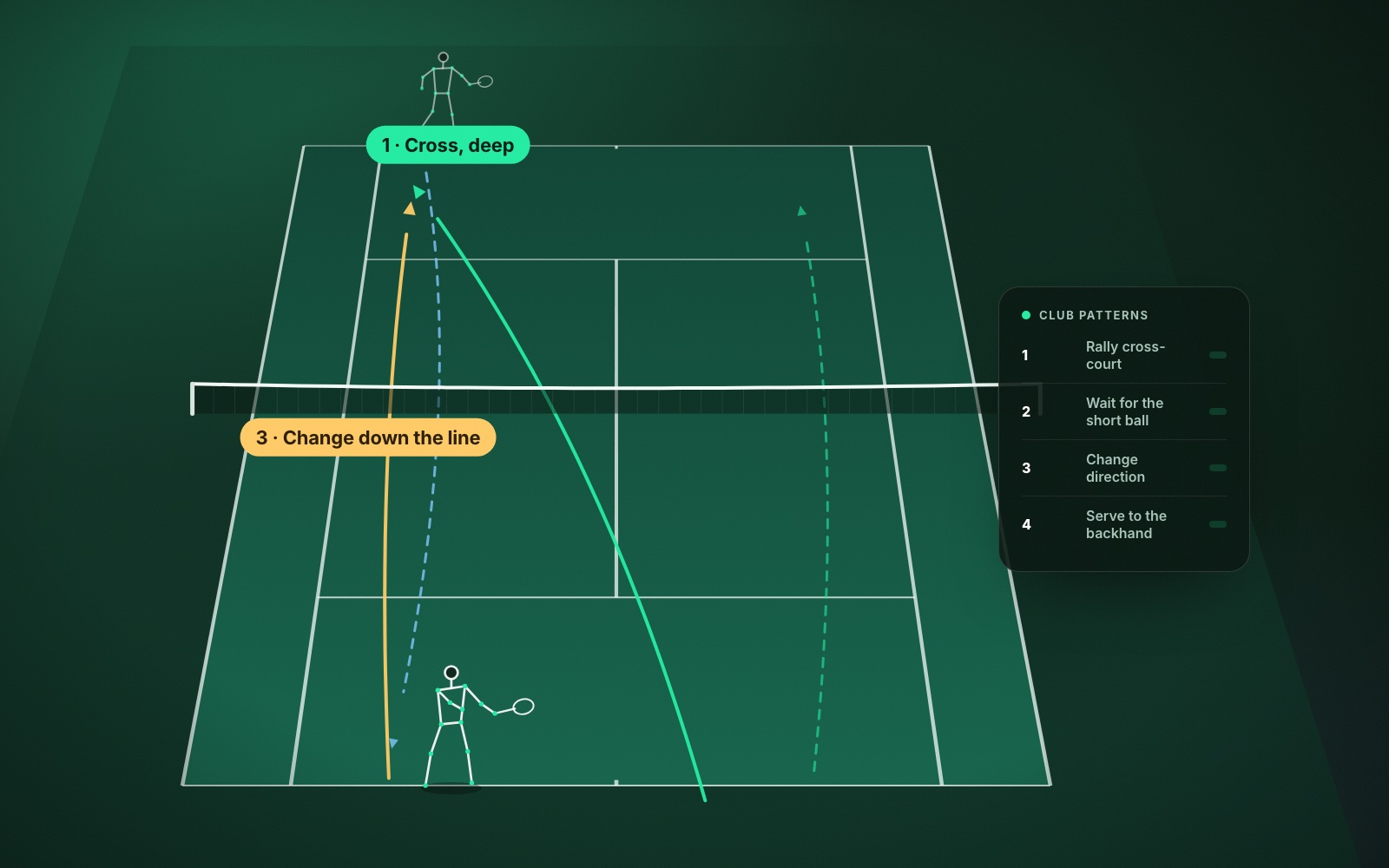
Decide what you will do with a neutral ball. For most players it is the more reliable wing, cross-court, with height. Rally that pattern with a partner in sets of ten. You are not learning a shot. You are making the decision in advance, so you do not have to make it under pressure.
The number to watch: shots in for that shot type, and rally length in the rally summary. If the errors you found in your review came from one risky choice, check that it has gone.
3. Two to three days out: rehearse under pressure
Play tie-breaks, or a set that starts at 4-4. Use only your plan. Film it as a Match session. This is the last hard hit before the day.
The number to watch: unforced errors and first serves in, set against the match you reviewed. If they are no worse with a score on the line, the plan is ready. Then stop adjusting. The final two days are for rest, not repairs.
4. The day before and the day itself
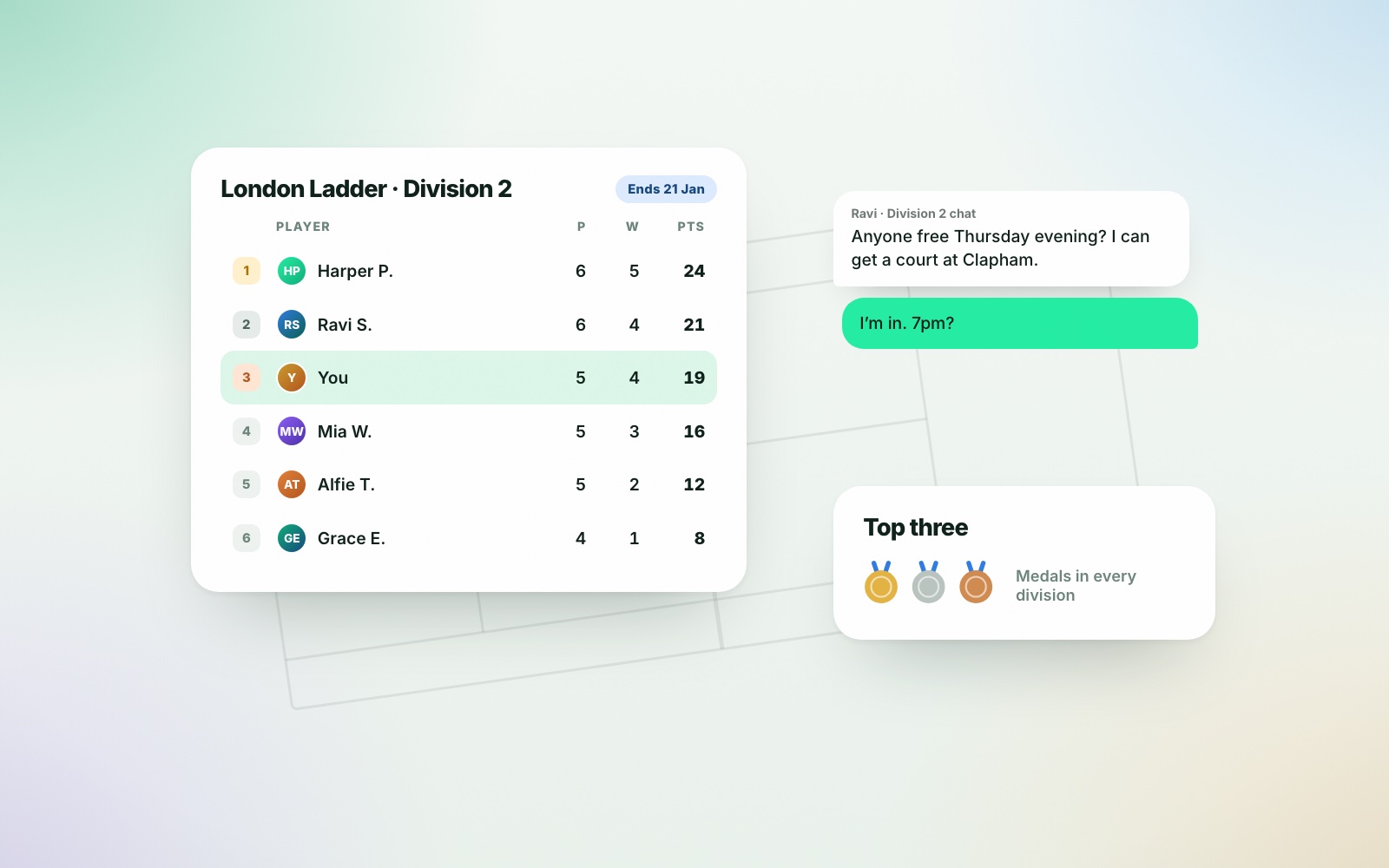
Hit lightly or not at all. Pack your bag: water, food, a spare racket if you own one, a towel and a spare grip. Check the venue and the time. In a ContactFrame league or tournament the fixture sits in the match chat with your opponent, so confirm the arrangements there. If you are new to competing, etiquette for local matches is worth five minutes.
On the day, warm up your body before you hit, then build up through groundstrokes, volleys and serves on both sides. Reduce your plan to three lines. Serve target. Rally default. One reminder, such as “recover after every shot”.
After the match: measure again
Preparation becomes a habit when you close the loop. If you can, film the match itself. Then log the result, which your opponent confirms, and look at the same figures you reviewed beforehand. Did the serve targets hold? Did the errors come from the same shot?
In Trends, compare practice sets with matches that count. For most players the first serve count dips and errors rise once there is something at stake. The size of that gap, and whether it narrows over a season, is one of the most honest measures of progress there is. Give it four or five matches before you judge.
What video can’t prepare you for
It cannot scout the other player. You will have to work them out in the first few games: which wing they protect, how they handle a high ball, whether they like pace. Singles strategy for club players explains what to look for. ContactFrame does not coach you during play, so those adjustments are yours.
It also cannot settle your nerves, though a plan based on things you have seen yourself do is a real help. And it will not correct a stroke in a week. If your review turns up a technical problem, write it down for after the match and take it to a coach. For how leagues run, see how local tennis leagues work, and for the filming side, The Lab.
Common questions
How do I prepare for a tennis match?
Review how you have been playing, decide on a simple serve plan and rally plan, rehearse them in a practice set a few days before, and sort your kit, food and travel the night before. On the day, warm up properly and keep your plan to two or three clear points.
What should I do the day before a tennis match?
Keep any hitting light and short, with some serves and a few points. Pack your bag, check the court and time, eat normally and get to bed at a sensible hour. It is too late to change technique, so leave it alone.
How should I warm up before a tennis match?
Spend five to ten minutes moving before you pick up a racket: jogging, side steps and gentle dynamic stretches. Then hit groundstrokes, volleys, overheads and serves, starting slowly and building pace. Hit serves on both sides of the court before the first game.
How can I calm my nerves before a tennis match?
Nerves are normal and usually settle after a few games. A clear, simple plan helps, because it gives you something to do besides worry. Slow breathing between points and a consistent routine before each serve help too.
Can video analysis help me prepare for a match?
Yes. Reviewing a recent match shows which serves you make, which shot breaks down and how your points tend to end. That lets you build a plan around what you reliably do. It cannot scout your opponent or coach you during the match.